Chickweed
A delicious, delicate low-growing plant that will please any palate
Family: Caryophyllaceae
Species: Stellaria media
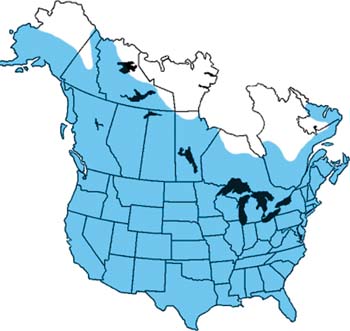
Estimated Range
Official Species Name:
Stellaria media (L) Vill.
Synonyms (Historical Names):
Alsine media (L) Love
Common Names:
Chickweed
Common chickweed
Nodding chickweed
An herbaceous weed naturalized from Europe, chickweed is widespread and abundant in North America, primarily where humans have invaded and where soil has been disturbed.
Edible Parts:
Growing tips of leafy stems, including
Leaves
Buds
Flowers
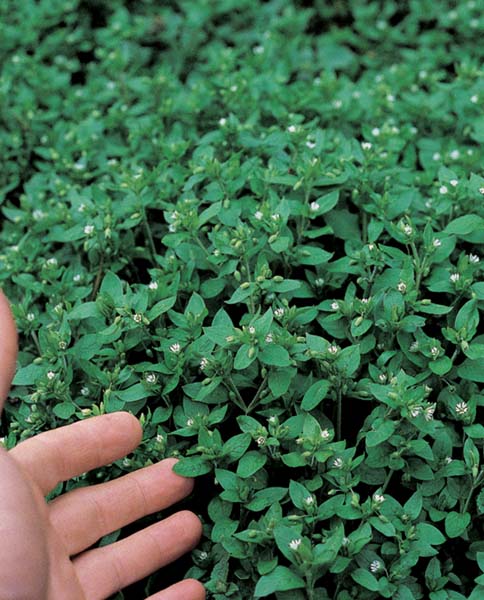
Chickweed is one of my favorite foundational greens. It’s often unfairly rejected as fibrous and stringy because most of the wild food literature does not describe precisely how to gather the good stuff. When gathered appropriately, it has one of the freshest, most delicate flavors and textures you’ll find. It is an excellent salad green that can be gathered in great quantities when found in the right habitats. In terms of both flavor and texture, fresh young chickweed greens will please just about everyone who eats them. And if you know how to harvest it properly, it will continue to provide new crops for you as it grows back. Knowing the plant and its life story will bring you a delicious treat.
Chickweed is a moisture-loving, cold-tolerant plant that thrives in soft rich soil. It can grow any time of year under the right conditions. Commonly encountered in lawns, landscaped areas, gardens, pastures, and farm fields, it is native to Europe but is found all over the world and enthusiastically followed the pioneers and settlers as they crossed the North American continent. Chickweed prefers neutral to slightly acid soils.
According to our nutrient chart, chickweed is very high in both iron and zinc, higher than any of the domesticated greens. According to one source (Bianco, 1998), chickweed is also very high in potassium (K), second only to wild spinach and higher than domesticated spinach, Swiss chard, and broccoli. It also can be high in oxalates. And while it has been shown to be a strong antioxidant in one study (Pieroni, 2002), the true extent of its phytochemical and antioxidant potential have not been systematically analyzed.
If you are a fan of medicinal plants, you will find chickweed used alone or mixed with marshmallow and other herbs. The most common use, as far as I can gather, is to crush the leaves and stems to use the juice as a soothant for the skin or eyes. There are also internal uses, but I figure food is the best internal use. If you have a rash of any kind and want to try this, juice a bunch of chickweed, saturate a cloth with the juice, and apply it to the rash. Of course, if you do this around me, I might just start eating the cloth.
Warning: As I will continually remind you, I am not a medicinal plant person and only tell you medicinal uses as interesting side notes. Basically, I understand healthy harvestable chickweed to be a food you can eat with impunity in the context of a well-balanced diet. You do not have to fear that you are medicating yourself unintentionally.
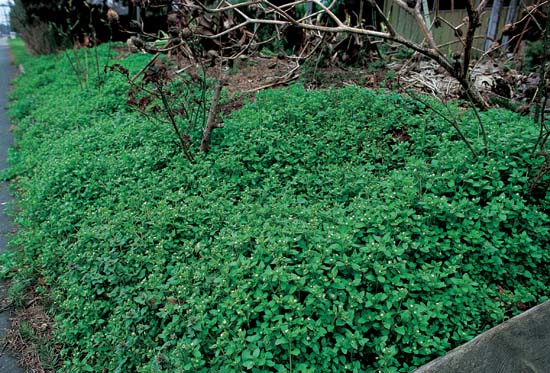
An early spring planting bed blanketed with chickweed. It’s too cold and early in the spring for my neighbor’s perennial shrubs to leaf out, but the chickweed is already in flower, spanning the full length of his front yard. Chickweed invades every spring before he tills the bed with fresh manure. This one location can make salads for about 200 people.
Knowing Chickweed
Chickweed tends to grow in massive spurts when the conditions are right. The most distinctive spurt is in the spring. Chickweed sprouts during the end of winter—when temperatures fluctuate above and below freezing. It is freeze tolerant down to about 20 degrees F, so it can survive downturns in the weather. The new seedlings are so small you don’t notice them as you walk by. When the temperature warms into the 40s, chickweed grows like crazy. So, depending on your weather patterns, sometime in early spring, you see all sorts of lushly growing chickweed. It grows in dense patches in full flower, just as the daffodils are flowering and the dandelion leaves are starting to come back to life. It surprises me every spring to see, seemingly out of nowhere, big thick patches of chickweed.
Chickweed will continue to grow lushly as long as the weather is cool and there is plenty of moisture. Since each plant only lives about six or seven weeks, dense patches may die off, but the seed dropped by those plants produces new plants. If the area dries out and/or if the temperatures start going into the 90s, chickweed will dry up and no new plants will emerge until weather gets cold and wet again. Cool, shady, well-watered areas can support chickweed growth throughout most of the summer.
The second spurt of growth begins in the fall when temperatures cool and moisture is present. But this spurt is less impressive due to all the competition, not-so-consistent soil moisture, and occasional warm spells. The winter die-off provides the conditions for great growth in the spring.
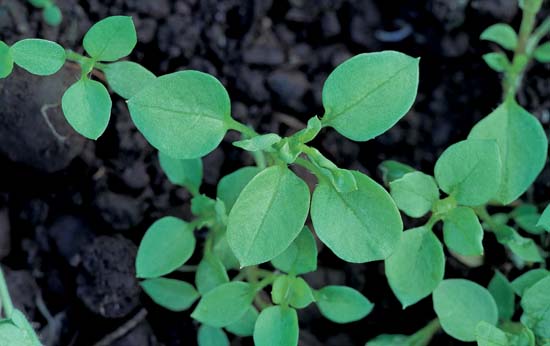
A tiny, just-emerging chickweed sprout magnified to about 10 times life-size. This size simulates about how big the mature leaves become on a healthy plant prior to flowering.
Sprouts: These can emerge any time of the year when the soil is moist and the temperature range is roughly somewhere between 36 and 75 degrees F. They will emerge from soft soil or areas where the soil is turned over. Young chickweed sprouts have leaves that are teardrop- to egg-shaped with a pointed tip. The leaves are opposite each other on the stem and small—small, that is, relative to other sprouts.
Stems: Chickweed stems tend to curve early in life, sending them down along the ground. Once established, they straighten and spread outward. If other plants are around, they will climb them, reaching upward. Mature stems are round and sturdy for their size. Stems in reasonable growing conditions typically reach eighteen inches in length and branch regularly. In large beds of chickweed, all the plants are growing upright because they are all supporting each other. Stems are hollow and very stringy. If you pull a stem apart, you will reveal a strong hollow core, sort of like finding a straw within a straw. That straw-like core is more evident near the base of mature plants.
One of the single most important identifying features of chickweed is the Mohawk-style hairs running along the length of each stem segment. Yes, very peculiar, a single line of hairs. I’m defining a segment as that length of a stem that is found between each set of leaves. As you go from one segment to the next, the line of hairs changes position. I personally know of no other plants that have this characteristic on the stem. Other plants will have a Mohawk, but it’s typically found growing along the main vein of a leaf, not on the stem like chickweed.
Leaves: Leaves are found growing opposite each other along the stem. They arise at what can be thought of as nodes. Nodes are at the end of each segment along the stem. Not only do leaves arise from the nodes, but this is also where the stem branches.
Leaf blades range in shape from elliptical- to oblong- to egg-shaped and all variations in between. Leaves of all those shapes have a pointed tip that is a lighter color or somewhat tan relative to the green leaf blade. The leaf stem wraps around (clasps) halfway around the node. It has soft hairs along its edges and back. The hairs are easily seen if you hold the plant up to the light. The leaf stem hairs can continue slightly up the back of the blade.
Flowers: Chickweed flowers typically emerge between four and five weeks of germination. They are both distinctive and tiny. Each flower has five bright white petals in the shape of bunny ears. The five petals are so deeply cleft that, at first glance, one would think there are ten. The flower stem and the outside of the sepals are hairy. All the flower parts are tiny. If you cannot see the hairs clearly, hold the plant up to the light.
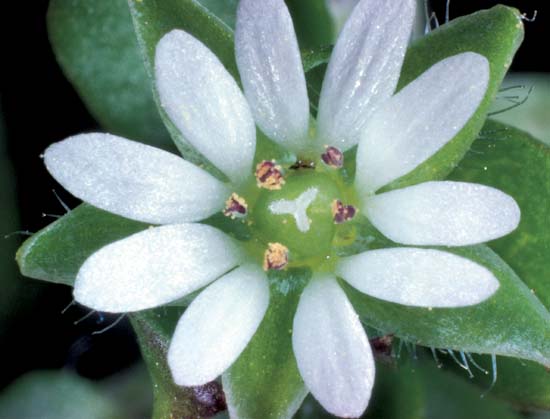
A chickweed flower magnified about 16 times life-size. The actual, fully open flowers are about 1/8 inch in diameter. The flower has 5 green sepals and 5 white petals. The petals are so deeply cleft that there appear to be 10 of them.
Mouse-Ear Chickweed
Cerastium fontanum (Cerastium vulgatum)
Edible look-alike
Mouse-ear leaves and stem are sturdy and hairy, with flowers growing in dense clusters. Common chickweed stems are sturdy but only have a single line of hairs. Its leaves are delicate, and there are only a few flowers per cluster.
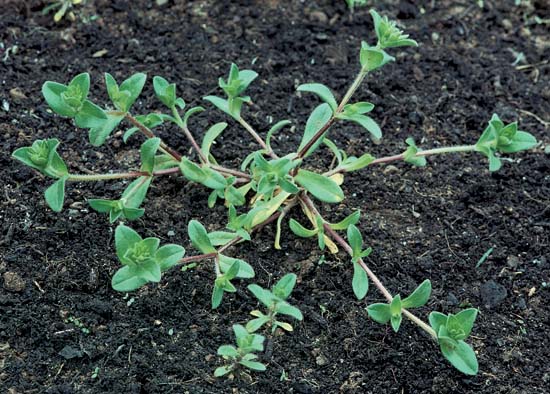
Young mouse-ear chickweed prior to flower formation. The growth and size of mouse-ear chickweed are similar to common chickweed. Though a common plant, it never seems to reach chickweed’s abundant growth. The new, young growing tips of mouse-ear chickweed are edible, but the hairs (a texture problem) and sparser growth (a collection problem) make common chickweed much more desirable. Unlike common chickweed, stem hairs on mouse-ear go all the way around the stem and over the leaves—it is completely hairy.
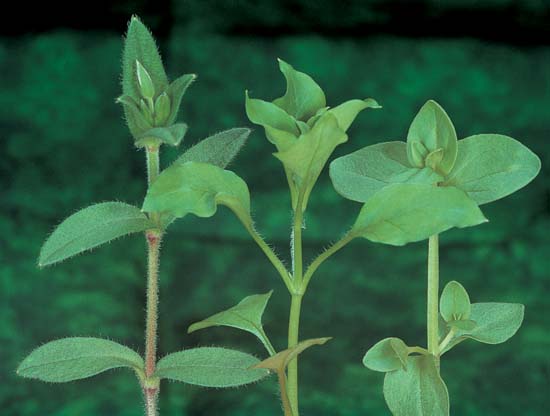
Comparison of chickweed and two look-a-likes. The stem and upper side of the leaves of mouse-ear chick-weed (left), chickweed (center), and scarlet pimpernel (right) are shown here. All three have opposite leaves. Note the differences in the arrangement of hairs on each stem. Mouse-ear chickweed has hairs all over. Common chickweed has the single line of hairs along the stem.
Scarlet Pimpernel
Anagallis arvensis
Poisonous look-alike
Scarlet pimpernel grows just like chickweed. It is considered a poisonous plant so try not to mix it in with your common chickweed salad. The square stem, lack of prominent hairs, and reddish flowers distinguish this plant from the chickweeds. Unfortunately, this plant is often found growing intertwined with common chickweed.
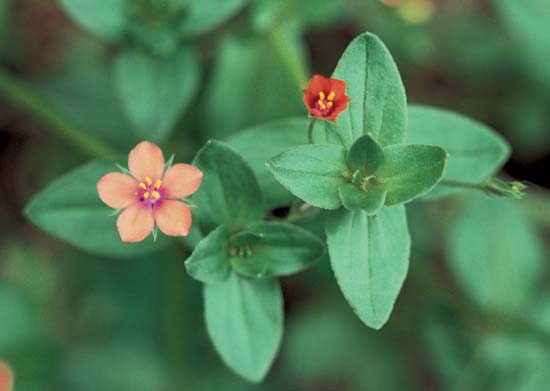
Scarlet pimpernel in flower. Many people mistake this plant for chickweed until the reddish flowers appear.
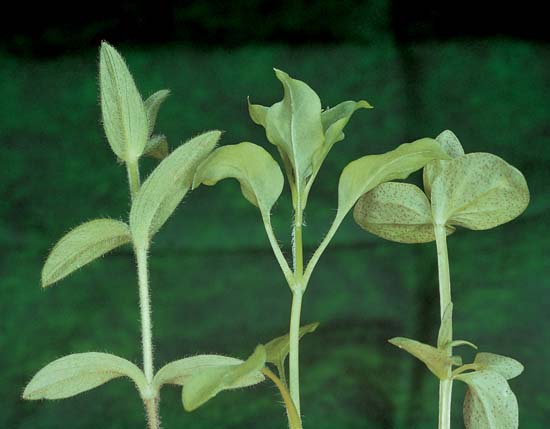
The stem and leaf undersides of chickweed and two look-a-likes. The underside of scarlet pimpernel’s leaf (right) has dark spots, clearly distinguishing it from chickweed (center) and mouse-ear chickweed (left). Scarlet pimpernel is the only one with a square stem and no obvious hairs.
Gathering and Edibility
Chickweed has four edible parts: the tender leafy stem tips, individual leaves, buds, and flowers. Because this plant and its parts are so small, you really just gather them all together. Plucking individual buds and flowers would require a pair of tweezers, time, and patience. So just stick to tender leafy stem tips with whatever flower parts they happen to have on them.
Leafy Stem Tips: Tender young leafy stem tips (the top 1 to 2 inches) are edible and choice, raw or cooked. They have a fresh flavor reminiscent of typical mild greens with a hint of sweet corn. There are no bitter, peppery, tart, pungent or off flavors. Raw, they can be eaten out of hand, enjoyed as a salad unto themselves, mixed with other greens, added to sandwiches, and used to neutralize more powerful greens. Chickweed has no unpleasant aftertaste. Leafy stem tips that have buds and flowers on them are still great to eat as long as the leaves are lush, big, and clustered near the tip. When leaves get tiny and spread out and the flowers have gone to seed, the tips are still edible, just more straw-like in flavor and texture.
Use the tender young leafy stem tips like you would lettuce. Due to the small size of the leafy stem tips, it works nicely anywhere you would use alfalfa sprouts or lettuce. Many of us back-to-the-earth types used to sprout alfalfa seeds in big jars back in the 1970s. It seems like few people do it anymore. According to my sensibilities, chickweed is far superior in flavor and texture to alfalfa sprouts.
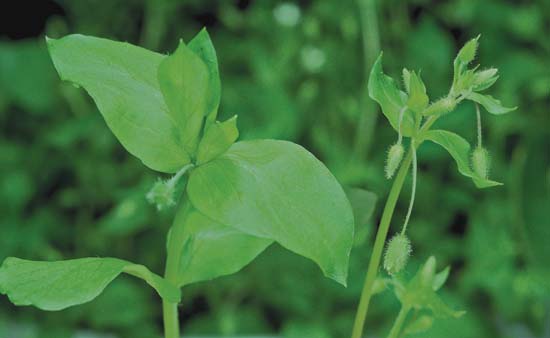
Comparison of luxuriant and stressed chickweed plants. Young chickweed growing rapidly in prime conditions yields large delectable leaves (left). Chickweed growing in stressed conditions (summer sun, and/or heat, and/or competition, and/or drying soil) produce tiny leaves, stringy stems, and lots of seeds (right).
NOT ALL CHICKWEED IS THE SAME! As I mentioned, many people give up on chickweed because they claim it is too stingy and fibrous—sort of like eating straw. Tastes like straw too. I cannot argue with their assessment. The reason they did not enjoy chickweed is they either picked down past the upper two inches, picked old chickweed, or picked very slow-growing chickweed. After this chapter, you will know how to avoid the unpleasant parts.
While rapid luxuriant growth provides the best eating, slow growth results in reduced quality. Slow growth happens in conjunction with the emergence of reproductive structures—first buds, then flowers, and then seeds. The problem with reproduction is that, once begun, it redirects resources (what limited water and nutrients are available) to seed production and away from leaf and stem growth. This results in leaves getting smaller, stems getting thinner, overall growth slowing down, and stems stiffening to support seed production. Chickweed leaves are small as it is; with seed production, they get absolutely tiny.
If you could, you’d want to keep chickweed in its adolescent stage. Once it hits puberty, quality goes downhill. Sound familiar? If you can find chickweed in the shade and in very moist soil, you can harvest it all summer long. I have some spots in my yard where chickweed is growing in the permanent shade of a wooden fence. That area has all sorts of wild edibles like miner’s lettuce, pokeweed, and some blue violets. I water the area regularly to greatly extend the harvestable season.
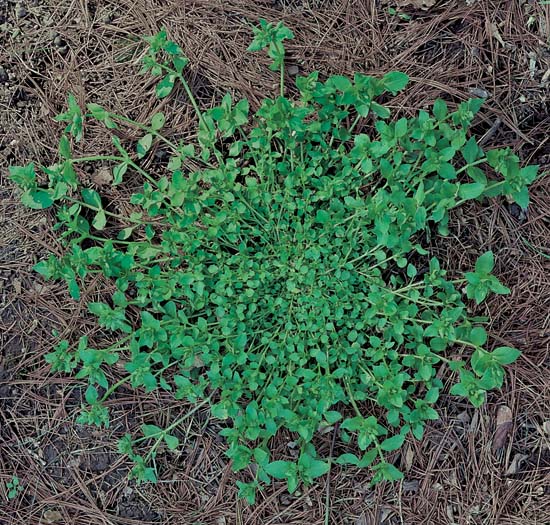
A lone chickweed plant spreading/branching outward along the ground. A stand-alone plant takes more time to gather from because its stem tips are more spread out. Compare this photo a previous photo, where many plants growing lushly lean on each other to produce tightly packed upright plants.
Harvesting and Serving Chickweed
Even if you have rapidly growing, pre-flowering chickweed, what you harvest from it will determine if it is delectable or straw-like.
Chickweed is a long and regularly branching plant. When novice harvesters find it, they often snap off the upper half of the plant and chop it all into a salad. The result is a food that only a cud-chewing species would love, resulting in a straw-like flavor and texture. Do this and you will need plenty of dental floss. People who know better stick to the tender new growing tips for maximum enjoyment.
Just collect the top one to two inches of each stem—no more than that! The actual take should be determined by you with some testing on the spot. If the texture is tending towards stringy while chewing, only take the top inch. If the full two inches are tending towards tender, take the full two inches.
From a practical standpoint, you don’t want to spend the better part of your life plucking individual stem tips. Okay, on a lazy day you might enjoy the Zen of gathering or snacking on lots of separate individual tips for the simple joy that it brings. If, however, you want to gather a substantial quantity to feed a group or to store some in the fridge for later use, you need to find a densely growing colony of many plants packed together and growing upright.
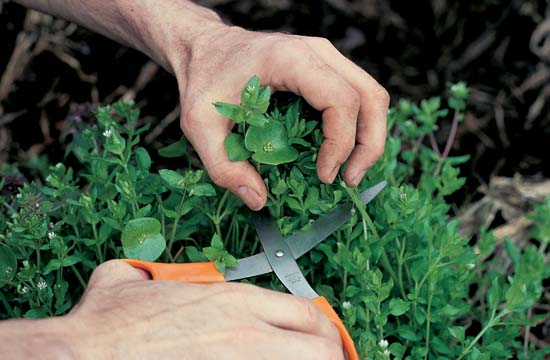
Clipping chickweed tops. Here is a cluster of tips from a densely growing colony of chickweed. Once cut, this handful provides about 1/3 of the greens in a salad. The round leaf mixed in is miner’s lettuce (Claytonia perfoliata), another edible plant.
Most of the densely growing colonies I’ve found are located in unmowed tree-covered city parks, planting beds around my home and neighborhood, and farmland. I scope out these places in the spring (February, March, or April, depending on where you are in North America) so that I have plentiful sources of chickweed. Of course, always ask permission before harvesting from someone else’s land. Also, be careful to ask about the treatment of the land. Has it been sprayed with pesticides? Don’t snack directly on the plants if it is a high-traffic pet area. You can gather from such an area, but the greens should be cleaned well before you eat them.
Once you’ve come upon a densely growing colony, find the most evenly growing areas; that is, areas where all the tips are around the same height. With one hand, gather the tips together and snip them from the plant with your scissors. This will give you a small handful of tips. Two to four of these snippings will provide you with a chickweed salad—depending on your skill and hand size. Transfer them to your plastic bag and liberally spray-mist your bounty with water to keep it fresh.
If you want to keep coming back to this site frequently, make sure you remove only the tips. There is a tendency for some enthusiasts to cut farther down the stem. This gives the illusion that you are gathering more food. While the joy of filling the bag faster may initially be satisfying, it has two drawbacks. First, it takes much more work to sort through all the jumbled mix of stems to separate out the desired tips later than it does to clip them properly from the beginning. Second, if you clip too far down the plant, it hinders the remaining stem’s ability to grow and provide a whole new crop for harvesting later.
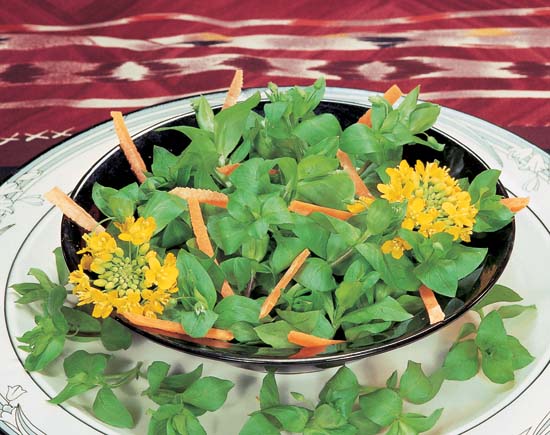
Chickweed salad with julienned carrots and field mustard (Brassica rapa) flower clusters. Chickweed laid out on the plate demonstrates the typical size of choice tender leafy stem tips.
Your take should go through two more steps prior to eating: a quick inspection and a good cleaning. For the inspection, lay out the tips and look for unintended tagalongs and oversized pieces. In the photograph above, there were two tagalongs: grass and miner’s lettuce (Clatonia perfoliata). This is not unexpected when using the scissors-harvesting technique in densely growing wild areas. The grass was removed and the miner’s lettuce was left as another edible with a flavor I wanted to keep. You will also find that some of the chickweed stems will be longer then the desired one to two inches. The excess stem material should be removed.
Soaking them in water for about two minutes will help to wash and crisp them. Soaking is unnecessary if they are already so fresh and alive that they could sing to you. Drain or spin gently to remove the excess water for serving. If you are going to store some in the fridge for later use, just allow them to drain briefly. The trauma of spinning will reduce their shelf life but is fine if you’re serving them on the spot, cooking, or otherwise processing them. Store them in loose clear plastic bags. Like any vegetable, the sooner you use them, the fresher they will taste.

Pita bread sandwich with chickweed. This sesame pita includes chickweed, field mustard flower clusters, shredded Swiss cheese, avocado, sweet red peppers, tomato, and purple cabbage.
As I’ve said, use chickweed like you would lettuce or alfalfa sprouts. They are mild enough and their texture is delicate enough to make chickweed-only salads. These greens, fresh or cooked, are only limited by your imagination. Recipes in your head or in any cookbook will provide you with years of wonderful salads and other dishes.
As a mild green, chickweed is one of the best foundational greens—one of the greens you can use as a base upon which other greens of diverse character can be added to make a flavorful complex salad. They also work when steamed, boiled, sautéed, or cooked in most other ways. They only need minimal cooking, just enough until they wilt—one or two minutes of boiling, two minutes of steaming. Sautéing without other vegetables is a little tricky and improves with experience.
Chickweed is a delicate plant. Cooking of any kind will greatly reduce its size. One cup of cooked greens requires about seven cups of fresh greens. Since I love these greens fresh and because they reduce so much upon cooking, it seems a pity to cook them. But, if you have plenty and you love their cooked flavor as much as I do, you use them cooked as well. Be aware that cooking does not tenderize the straw-like lower stems.
When gathered properly, chickweed is one of the best-tasting greens you’ll ever eat. It is one of my favorites.

Mexican-style tortillas using cooked chickweed. These flour tortillas include chickweed, refried beans, avocado, and salsa. They are garnished with wood sorrel and cilantro.